
Industrial Slab Specifications: Meeting the Demands of Modern Manufacturing
Understanding FF/FL flatness requirements and high-tolerance specifications for industrial concrete slabs that support heavy equipment and operational efficiency.
Concrete Contractors of Flower Mound Team
October 15, 2024
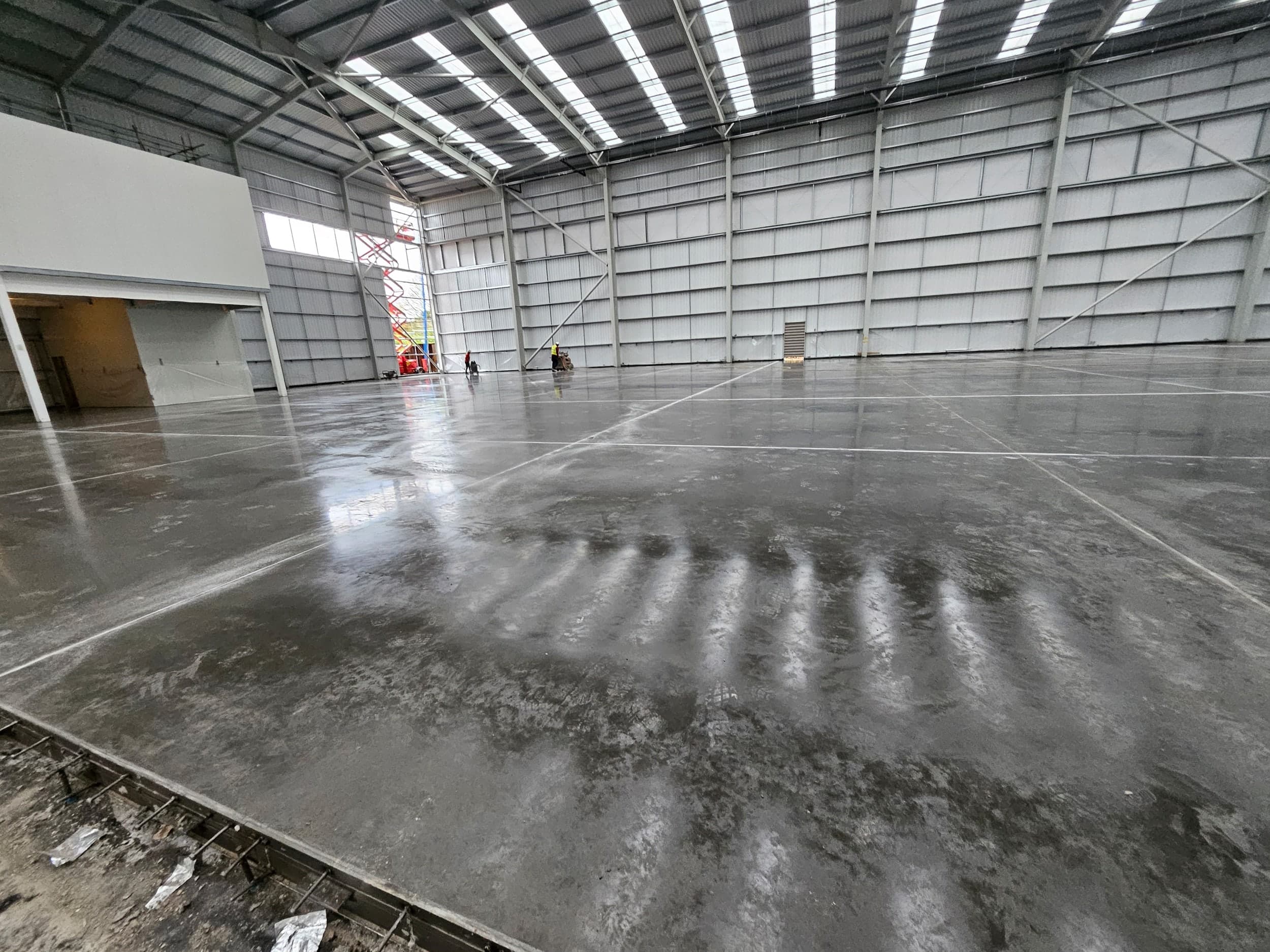
Industrial facilities demand concrete floors that can withstand heavy loads while maintaining precise flatness tolerances. Understanding FF/FL specifications is crucial for successful industrial slab construction.
FF/FL Flatness Specifications
The Face Floor Flatness (FF) and Floor Levelness (FL) system provides quantitative measurements for floor quality:
- FF Rating: Measures floor flatness over short distances (typically 1-2 feet).
- FL Rating: Measures floor levelness over longer distances (typically 10 feet).
Common Industrial Applications
Different manufacturing processes require specific flatness tolerances:
Light Manufacturing (FF 25-35)
- Assembly operations
- Light equipment storage
- General warehousing
Medium Manufacturing (FF 35-50)
- Forklift operations
- CNC machining
- Quality control areas
Heavy Manufacturing (FF 50-80+)
- Automated guided vehicles (AGVs)
- Robotic operations
- Precision assembly lines
Construction Considerations
Base Preparation
- Thorough subgrade compaction testing.
- Proper moisture control.
- Vapor barrier installation where required.
Concrete Placement
- Laser-guided screed for precision flatness.
- Controlled slump and mix design.
- Consistent curing procedures.
Joint Design
- Expansion joints for thermal movement.
- Construction joints at strategic locations.
- Isolation joints around columns and walls.
Quality Assurance
Regular testing ensures specifications are met:
- Fresh concrete testing: Slump, air content, temperature.
- Flatness measurements: F-number testing throughout curing.
- Hardened concrete testing: Compressive strength verification.
North Texas Considerations
Local conditions affect industrial slab performance:
- Soil conditions: Expansive clay soils require special foundation design.
- Temperature variations: Thermal joints accommodate seasonal changes.
- Humidity control: Vapor barriers prevent moisture migration.
Long-Term Performance
Proper maintenance extends slab life:
- Regular inspections: Identify potential issues early.
- Joint maintenance: Seal cracks and joints as needed.
- Surface protection: Appropriate coatings for specific applications.
Conclusion
Industrial slabs are critical infrastructure investments. Understanding and achieving proper FF/FL specifications ensures operational efficiency and equipment performance for manufacturing facilities across North Texas.
About the Author
The Concrete Contractors of Flower Mound team brings over 20 years of combined experience in commercial concrete projects across North Texas. Specializing in industrial construction, our experts provide deep technical knowledge and practical insights to help contractors and developers succeed.
Related Articles
More Industry Insights
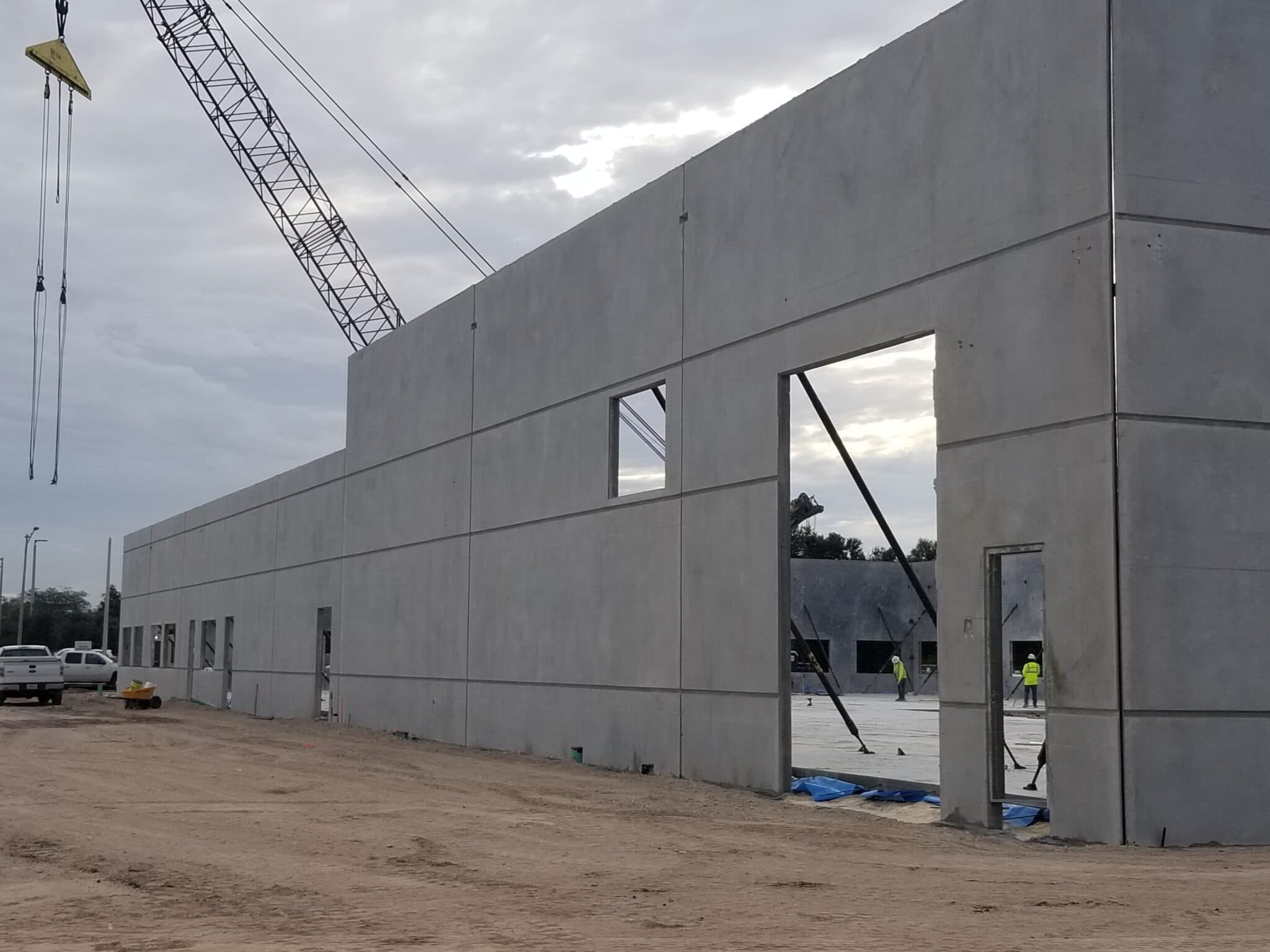
Complete Guide to Tilt-Wall Construction: Efficiency and Precision in Commercial Building
Discover how tilt-wall construction delivers faster build times, superior quality control, and cost-effective solutions for commercial buildings across North Texas.
Concrete Contractors of Flower Mound Team
October 20, 2024
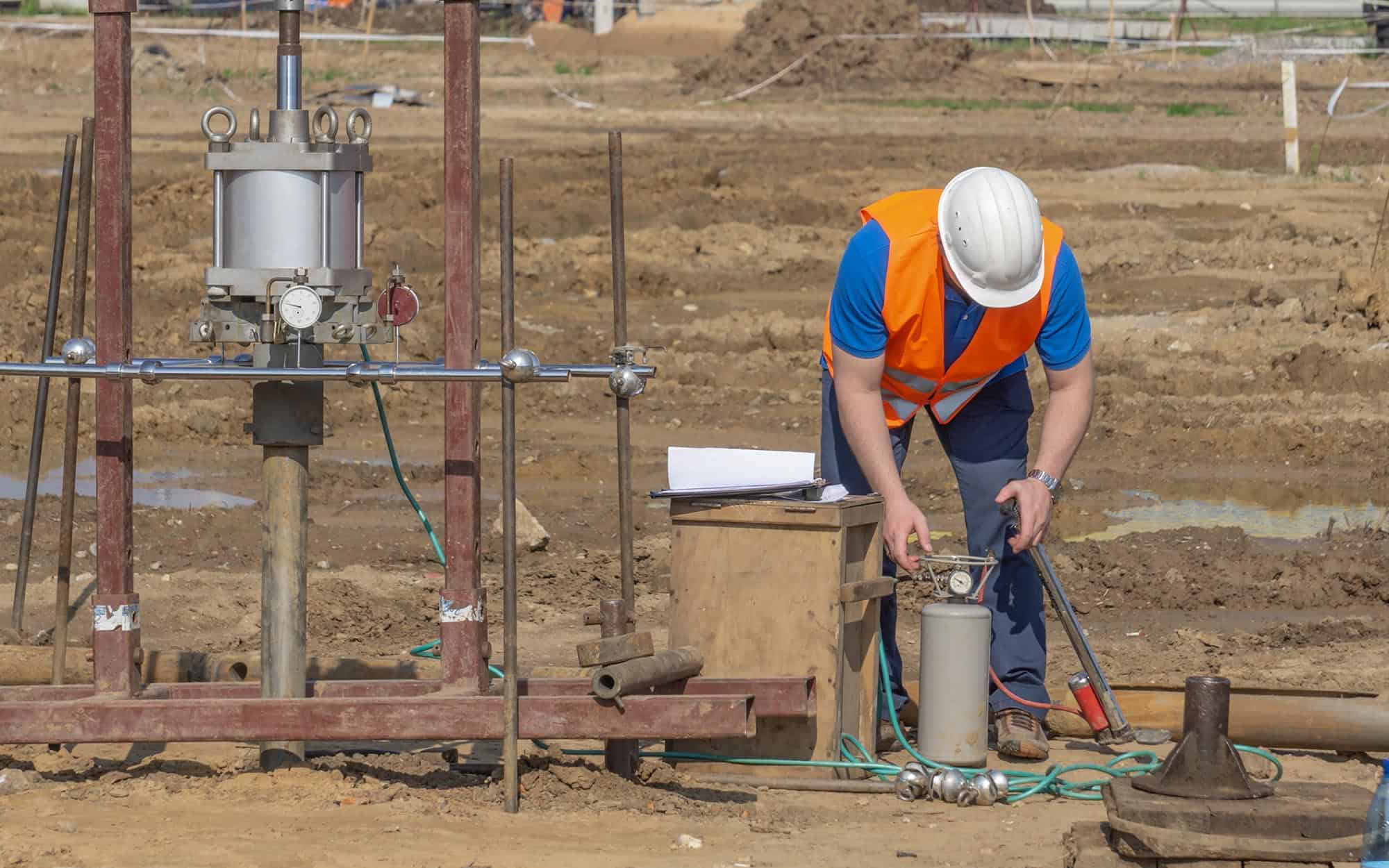
Foundation Engineering in North Texas: Soil Conditions and Structural Solutions
Navigate the unique soil conditions of North Texas with engineered foundation solutions that ensure long-term stability and performance.
Concrete Contractors of Flower Mound Team
October 10, 2024
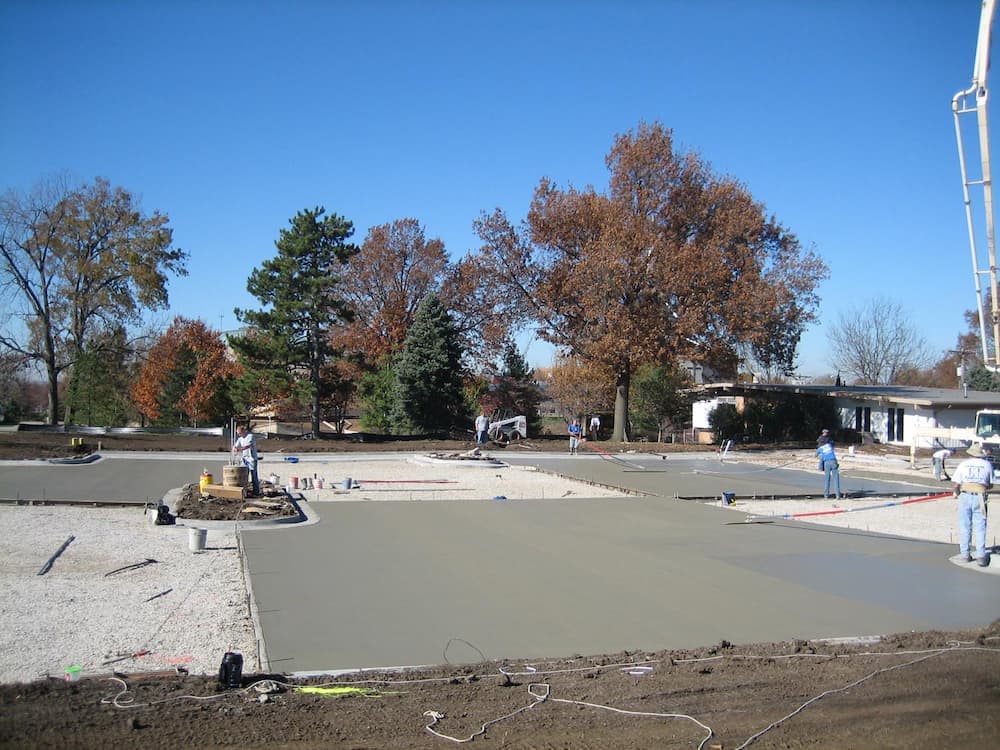
Parking Lot Construction: Best Practices for Durability and Safety
Essential considerations for commercial parking lot construction including drainage, surface treatments, and ADA compliance.
Concrete Contractors of Flower Mound Team
October 5, 2024
Ready to Apply These Insights
Let's Discuss Your Industrial Construction Project
Our Flower Mound concrete experts specialize in industrial construction and are ready to help with your commercial construction needs. Get expert guidance and a detailed project proposal.