Sustainable Concrete Practices: Green Construction in Commercial Development
Exploring sustainable concrete technologies and practices that reduce environmental impact while maintaining performance standards.
Concrete Contractors of Flower Mound Team
September 30, 2024
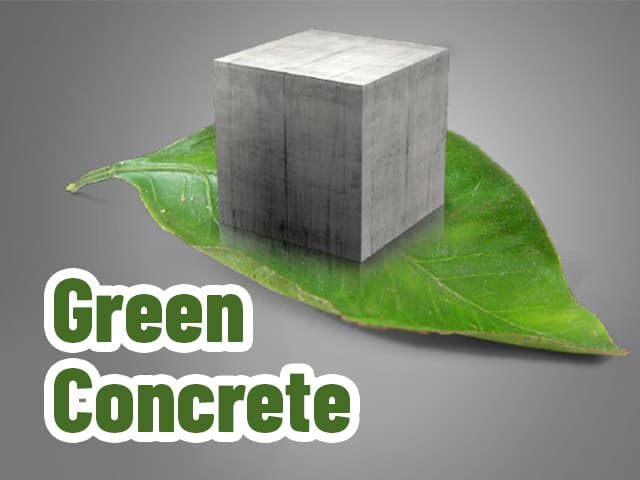
The construction industry is increasingly focused on sustainable practices, and concrete construction is no exception. Sustainable concrete technologies reduce environmental impact while maintaining structural performance and cost-effectiveness.
Sustainable Material Innovations
Supplementary Cementitious Materials (SCMs)
- Fly ash: Reduces cement content by 20-30%.
- Slag cement: Improves durability and reduces carbon footprint.
- Silica fume: Enhances strength and reduces permeability.
Alternative Aggregates
- Recycled concrete aggregate (RCA): Reduces landfill waste.
- Glass aggregate: Lightweight and environmentally friendly.
- Industrial byproducts: Blast furnace slag and other materials.
Carbon Reduction Strategies
Cement Reduction Techniques
- Optimized mix designs: Maximum use of SCMs.
- Performance-based specifications: Focus on results, not composition.
- Carbon-neutral cement: Emerging technologies for zero-carbon concrete.
Manufacturing Efficiency
- Energy-efficient production: Modern kilns and grinding processes.
- Alternative fuels: Use of waste-derived fuels.
- Carbon capture: Emerging technologies for cement production.
Water Conservation
Mix Design Optimization
- Water-reducing admixtures: Reduce water content requirements.
- Internal curing: Reduces mixing water needs.
- Recycled water use: Construction site water recycling.
Construction Practices
- Dust control: Reduces water waste from cleanup.
- Efficient curing: Minimizes evaporation losses.
- Water recycling: On-site water treatment systems.
Lifecycle Assessment
Embodied Carbon
- Material selection: Lower-carbon alternatives.
- Transportation optimization: Local sourcing where possible.
- Construction efficiency: Reduced waste and rework.
Operational Performance
- Thermal mass: Natural heating/cooling benefits.
- Durability: Long service life reduces replacement needs.
- Maintenance requirements: Low-maintenance materials.
Regulatory and Certification Programs
LEED Certification
- Materials and Resources: Recycled content requirements.
- Innovation credits: Sustainable concrete technologies.
- Regional materials: Local sourcing preferences.
Other Programs
- Green Building Initiative: Green Globes certification.
- Living Building Challenge: Net-zero energy and water.
- State programs: Texas-specific sustainability incentives.
Conclusion
Sustainable concrete practices offer significant environmental benefits while maintaining performance and potentially reducing long-term costs. As the industry evolves, these practices will become standard for responsible commercial construction in North Texas.
About the Author
The Concrete Contractors of Flower Mound team brings over 20 years of combined experience in commercial concrete projects across North Texas. Specializing in sustainability, our experts provide deep technical knowledge and practical insights to help contractors and developers succeed.
Related Articles
More Industry Insights
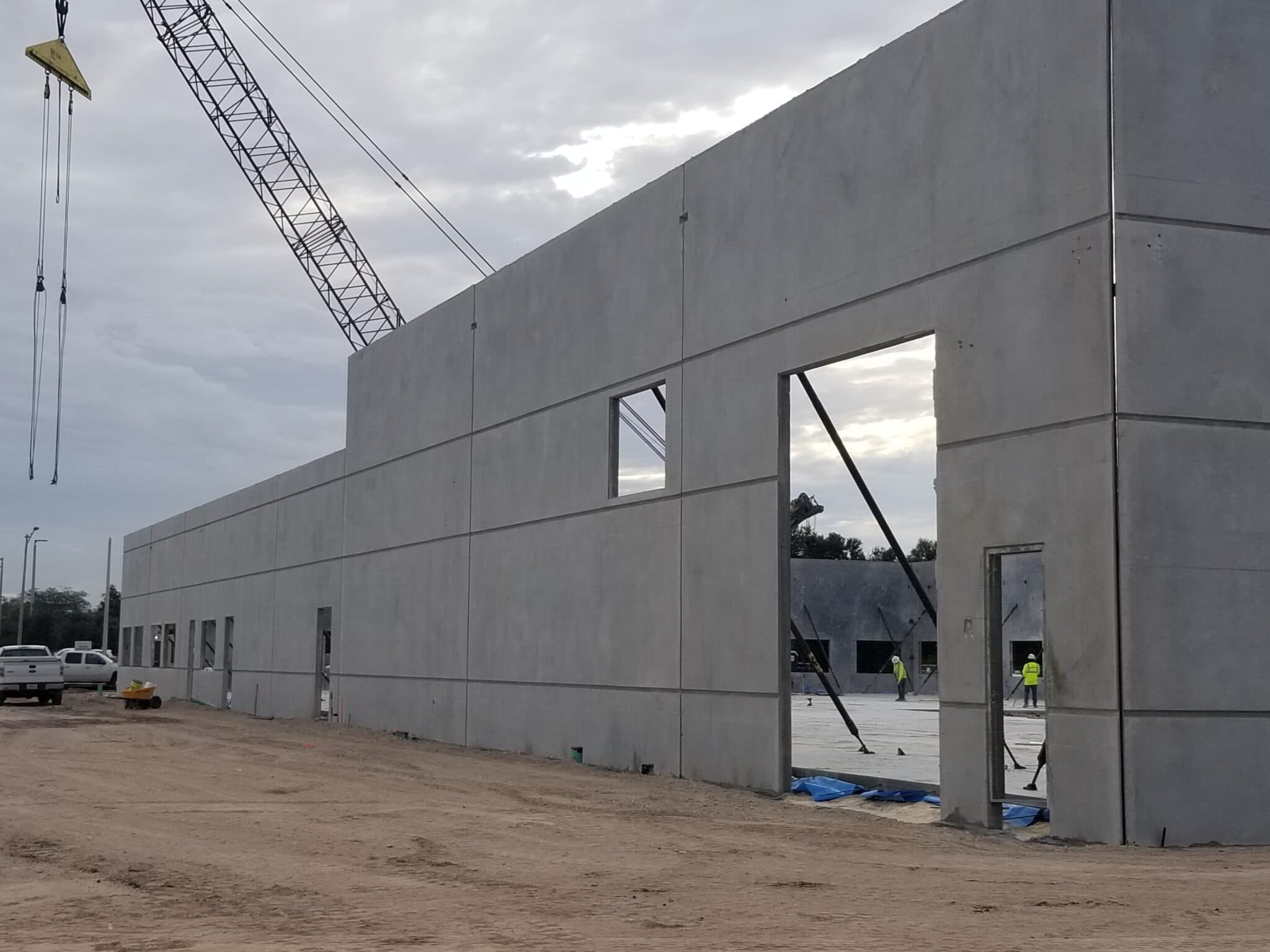
Complete Guide to Tilt-Wall Construction: Efficiency and Precision in Commercial Building
Discover how tilt-wall construction delivers faster build times, superior quality control, and cost-effective solutions for commercial buildings across North Texas.
Concrete Contractors of Flower Mound Team
October 20, 2024
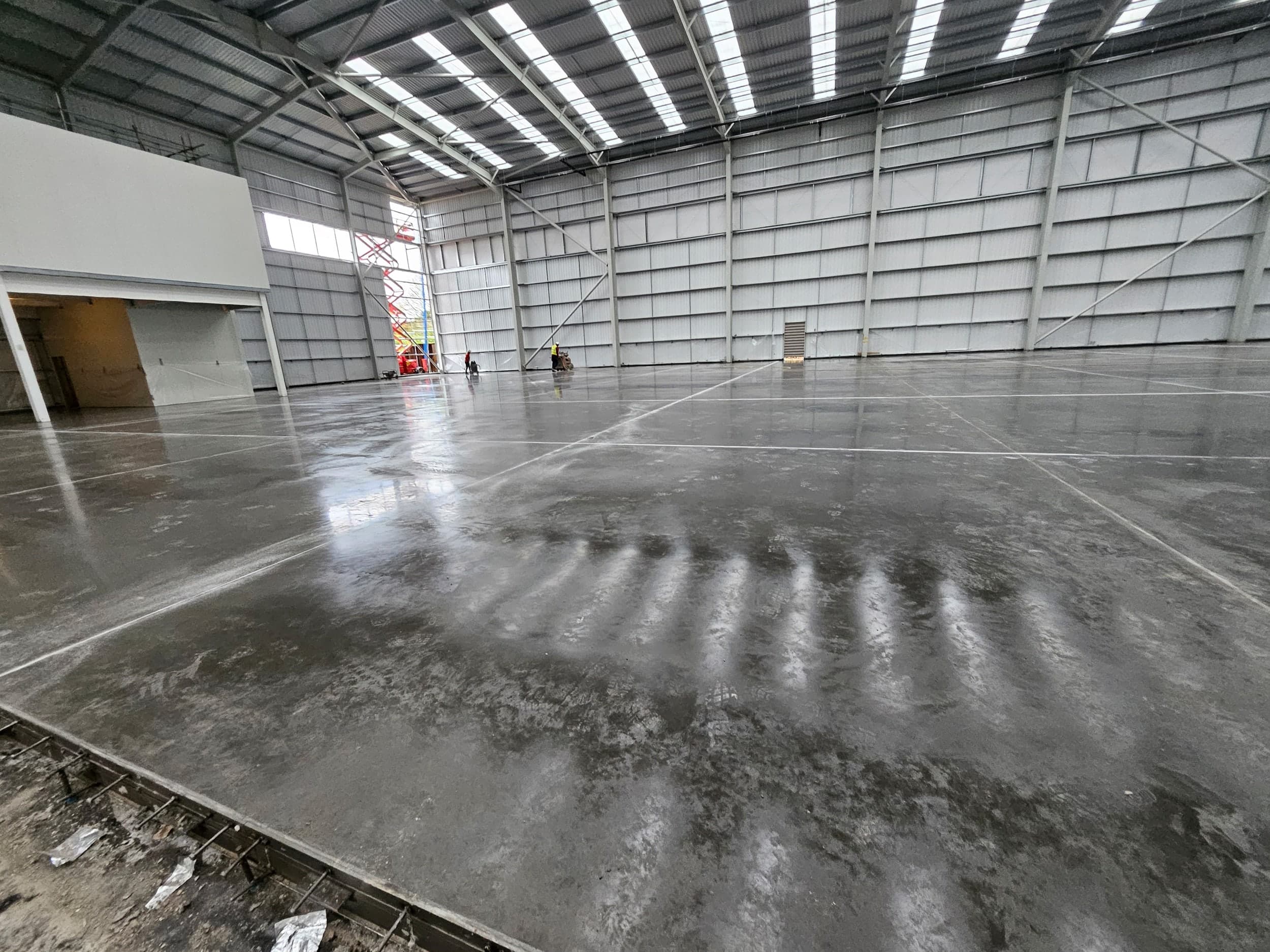
Industrial Slab Specifications: Meeting the Demands of Modern Manufacturing
Understanding FF/FL flatness requirements and high-tolerance specifications for industrial concrete slabs that support heavy equipment and operational efficiency.
Concrete Contractors of Flower Mound Team
October 15, 2024
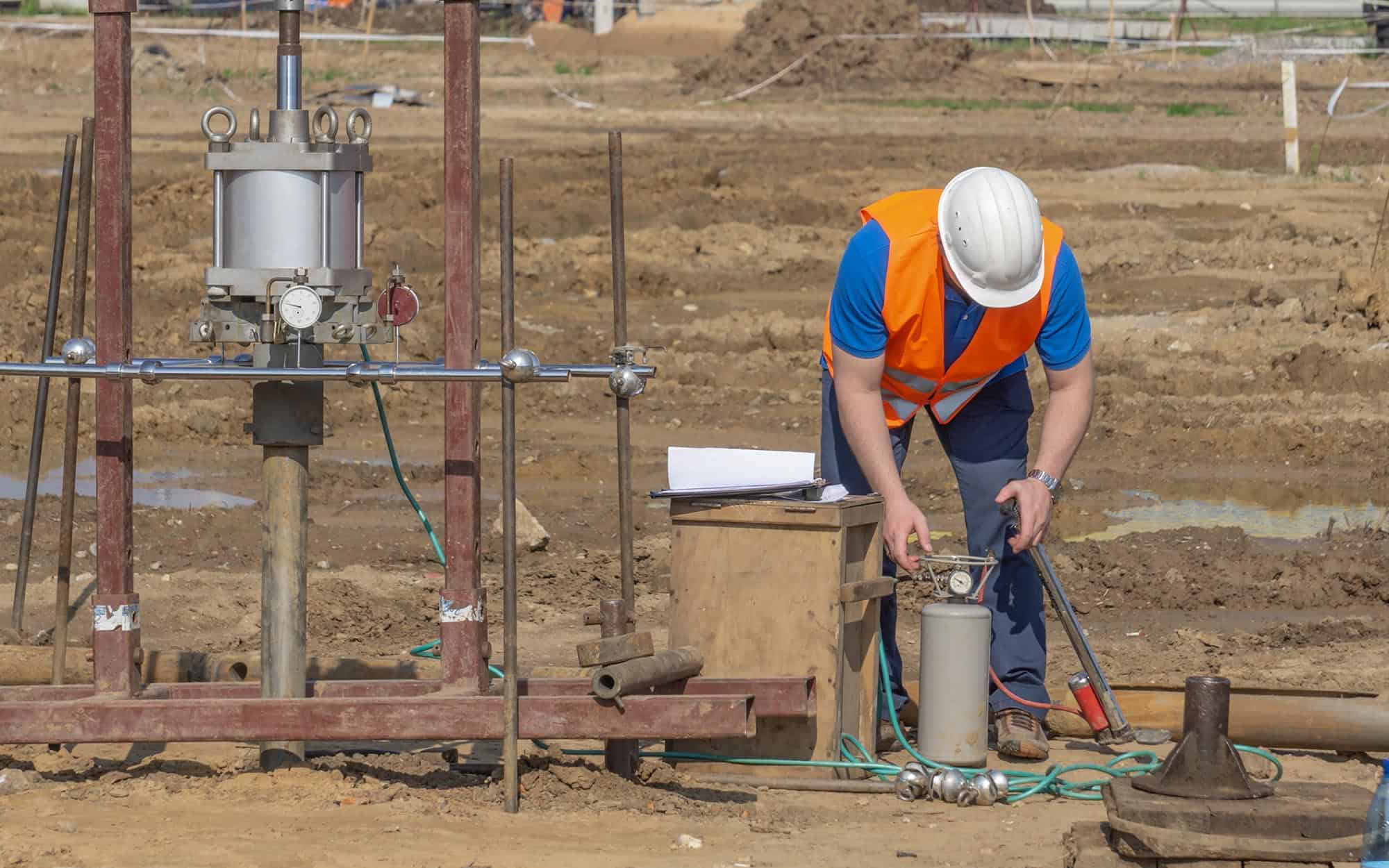
Foundation Engineering in North Texas: Soil Conditions and Structural Solutions
Navigate the unique soil conditions of North Texas with engineered foundation solutions that ensure long-term stability and performance.
Concrete Contractors of Flower Mound Team
October 10, 2024
Ready to Apply These Insights
Let's Discuss Your Sustainability Project
Our Flower Mound concrete experts specialize in sustainability and are ready to help with your commercial construction needs. Get expert guidance and a detailed project proposal.